T
Teach Me AnythingTMA
Video History
Page 26 / 47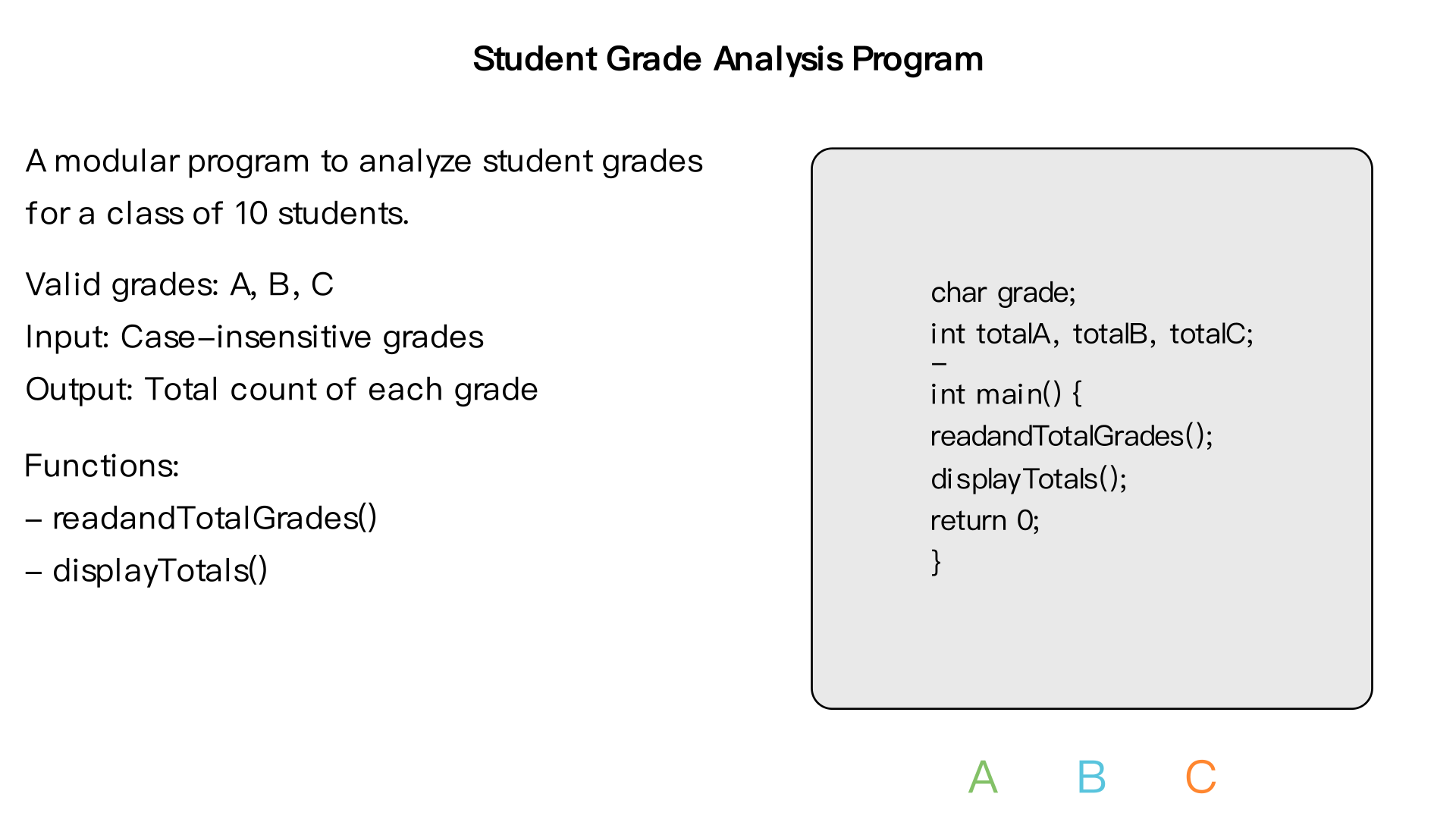
▶
Write a program that will analyze, for your class, the grades obtained by all the students in any module test taken. The program will prompt the user to enter the grade for each student. Valid grades are A, B, and C. The program calculates and displays the total number of As, Bs and Cs. The user should be able to enter the grades in uppercase or lowercase. You may assume there are only 10 students in your class. Your program must be modular. Write a function to read and total the grades and another to print the results. A skeleton of the program is given below: char grade; //-- global variables int totalA, totalB, totalC; int main() { readandTotalGrades(); displayTotals(); return 0; }
▶
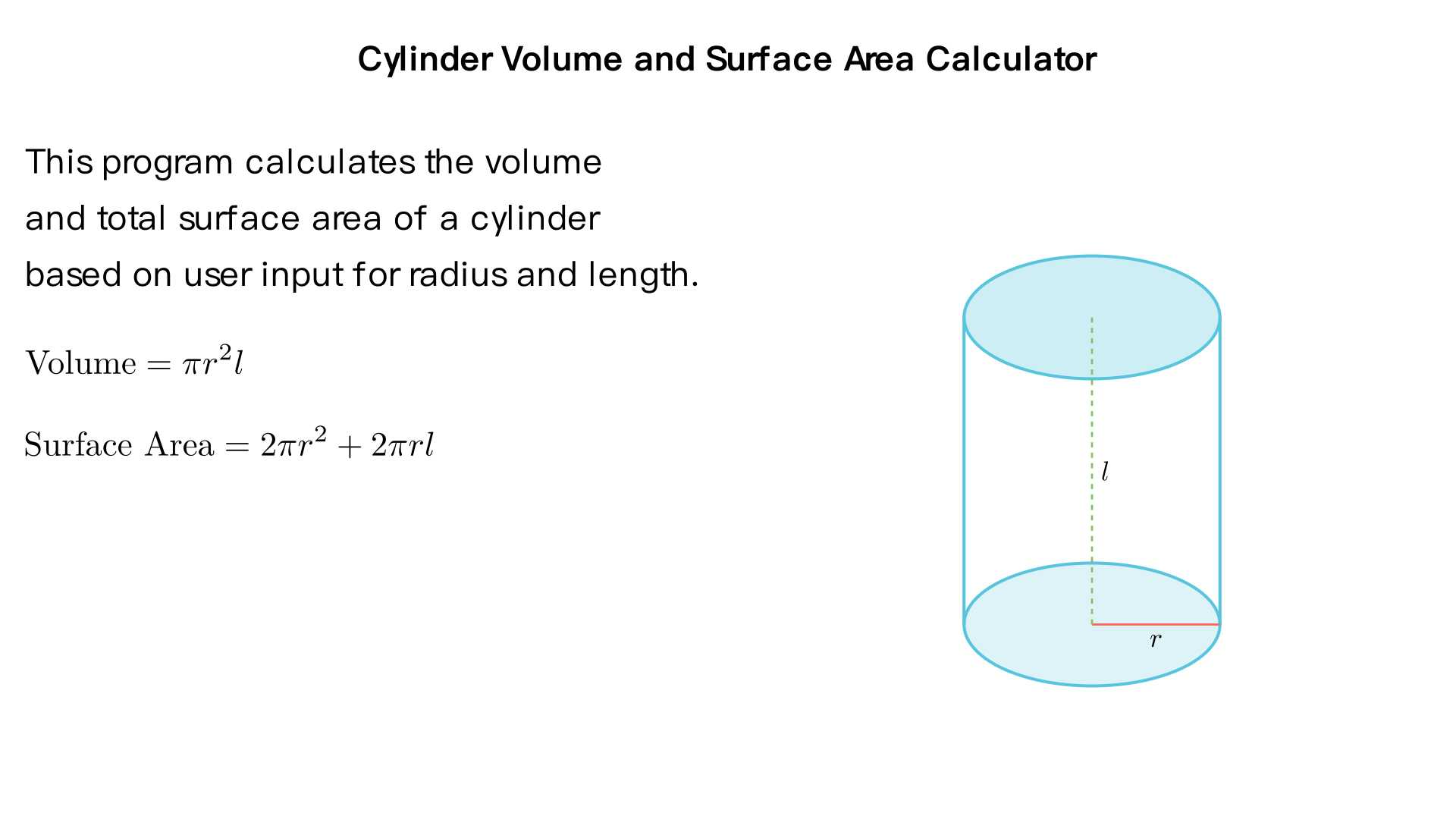
In the following questions, apply the design & development process. Give both the first and second level pseudocode and flowcharts. a. The volume of a cylinder is given by the following equation: volume = πr2 l r is the radius l is the length of the cylinder. Write a program that will prompt the user to enter the radius and the length of the cylinder. The program will calculate and display the volume. b. Enhance the above program such that it also calculates and displays the total surface area of the cylinder. The total surface are of the cylinder is given by the following equation: total surface area = 2πr2 + 2πrl

▶
In the following questions, apply the design & development process. Give both the first and second level pseudocode and flowcharts. a. The volume of a cylinder is given by the following equation: volume = πr2 l r is the radius l is the length of the cylinder. Write a program that will prompt the user to enter the radius and the length of the cylinder. The program will calculate and display the volume. b. Enhance the above program such that it also calculates and displays the total surface area of the cylinder. The total surface are of the cylinder is given by the following equation: total surface area = 2πr2 + 2πrl
▶
In the following questions, apply the design & development process. Give both the first and second level pseudocode and flowcharts. a. The volume of a cylinder is given by the following equation: volume = πr2 l r is the radius l is the length of the cylinder. Write a program that will prompt the user to enter the radius and the length of the cylinder. The program will calculate and display the volume. b. Enhance the above program such that it also calculates and displays the total surface area of the cylinder. The total surface are of the cylinder is given by the following equation: total surface area = 2πr2 + 2πrl

▶
Design an algorithm in flowchart to display the smaller number of any 2 numbers input to the program (or keyed in by the user)

▶
Design an algorithm in flowchart to display the smaller number of any 2 numbers input to the program (or keyed in by the user)
▶
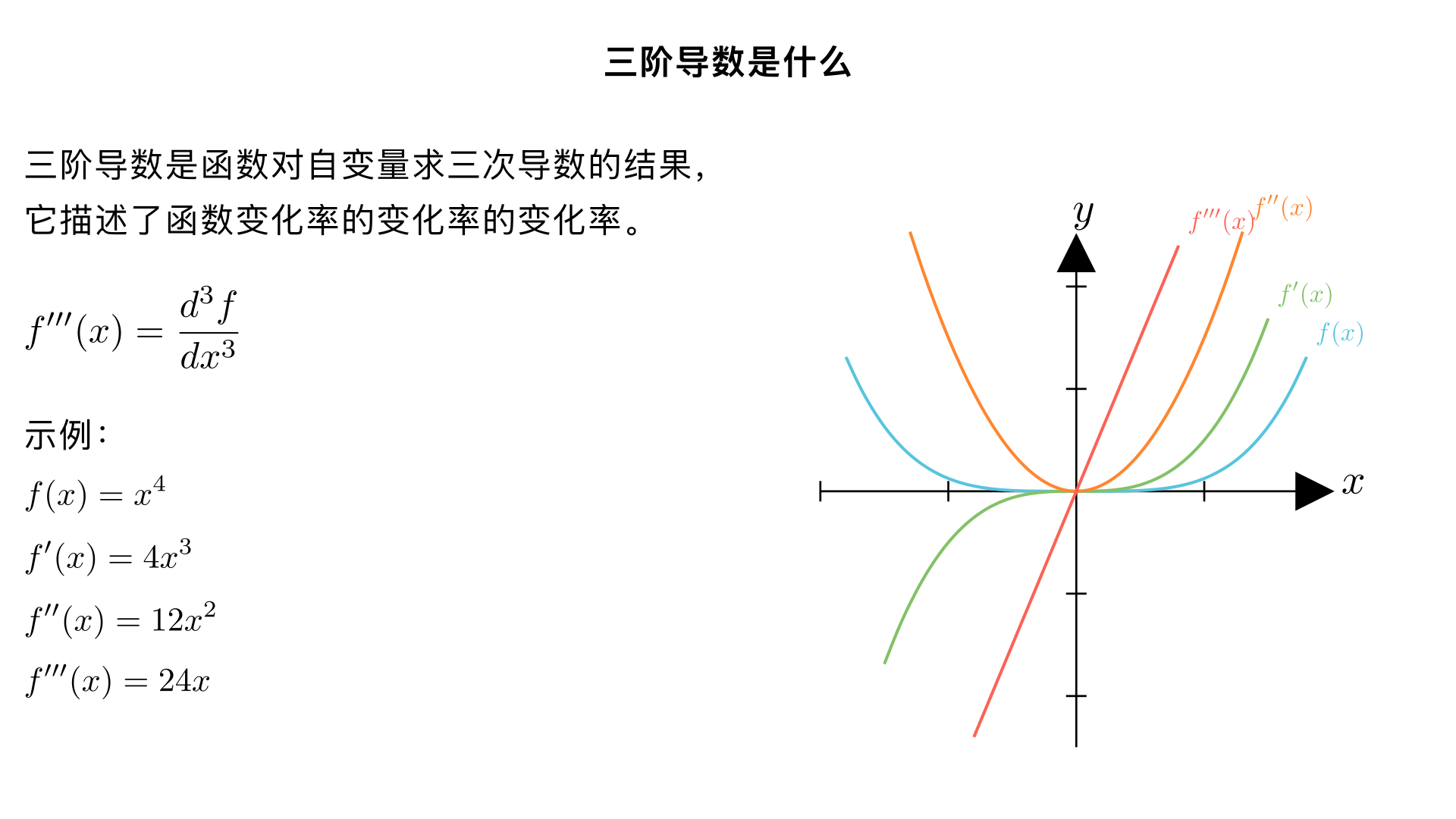
三阶导数是什么
▶
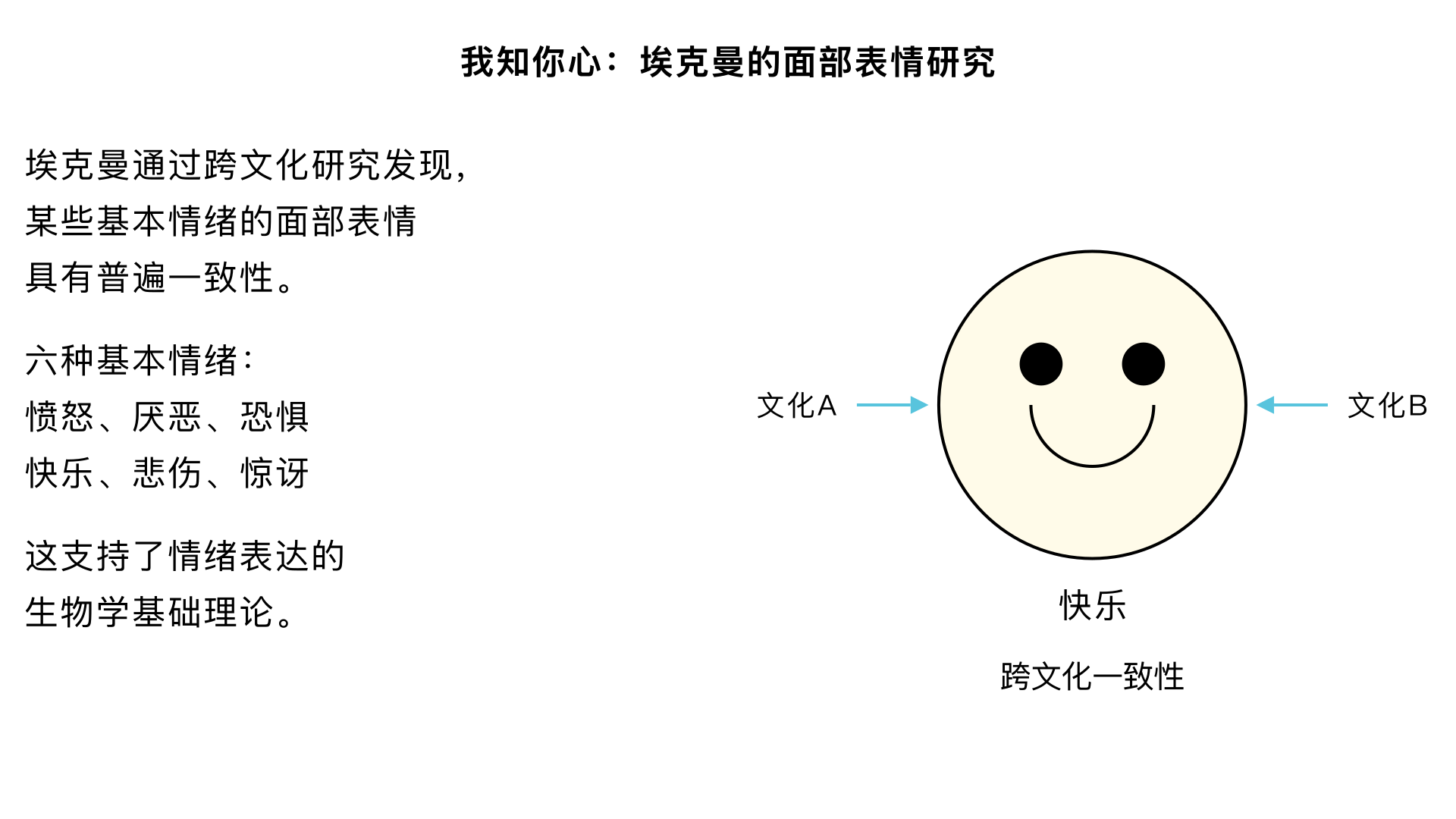
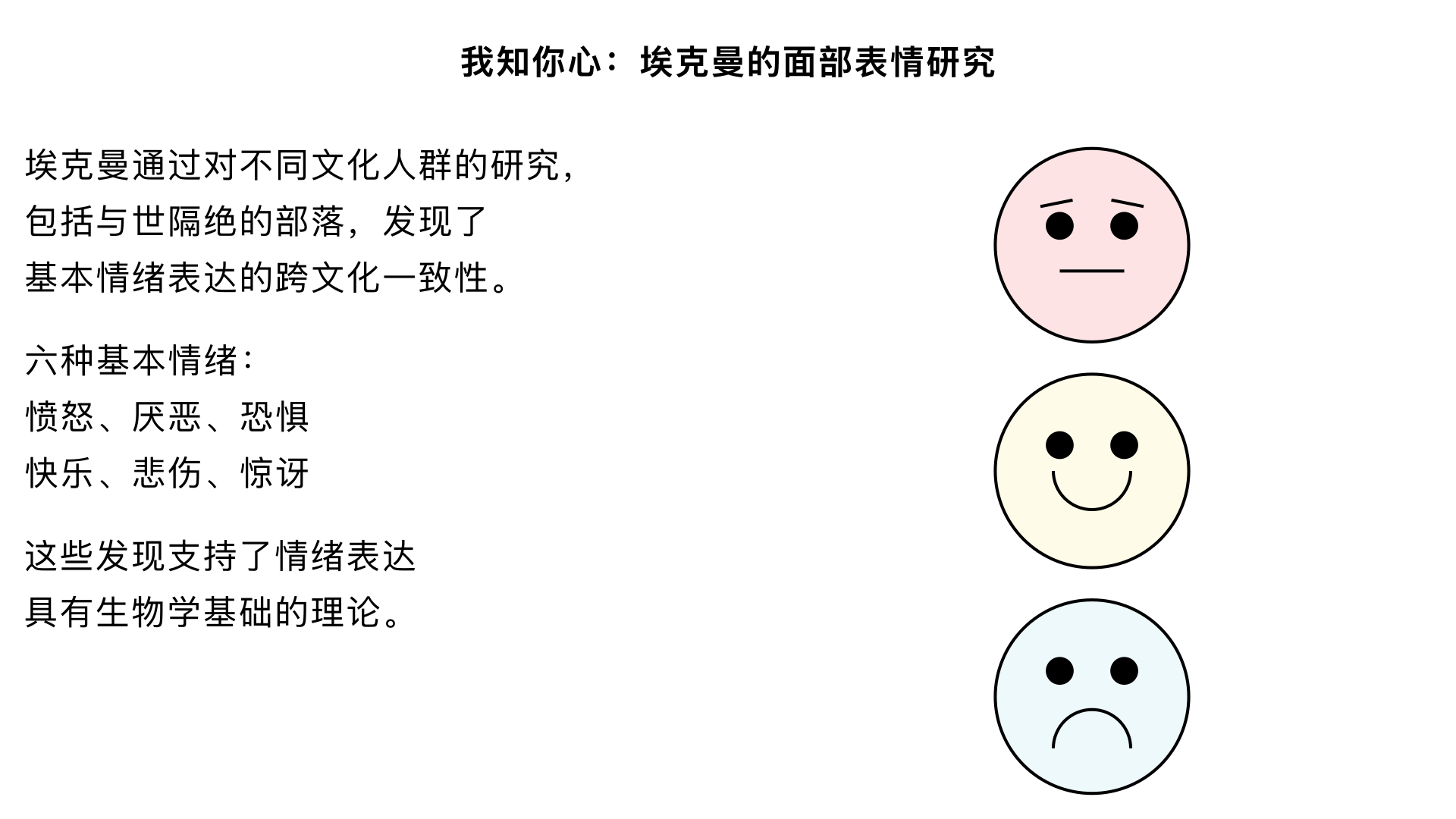
主题实验、我知你心 (埃克曼的“面部表情”研究) 主要内容:通过对不同文化(包括与世隔绝的部落)人群的研究,发现对于某些基本情绪(如愤怒、厌恶、恐惧、快乐、悲伤、惊讶),其面部表情具有跨文化的一致性,支持了情绪表达的生物学基础。
▶
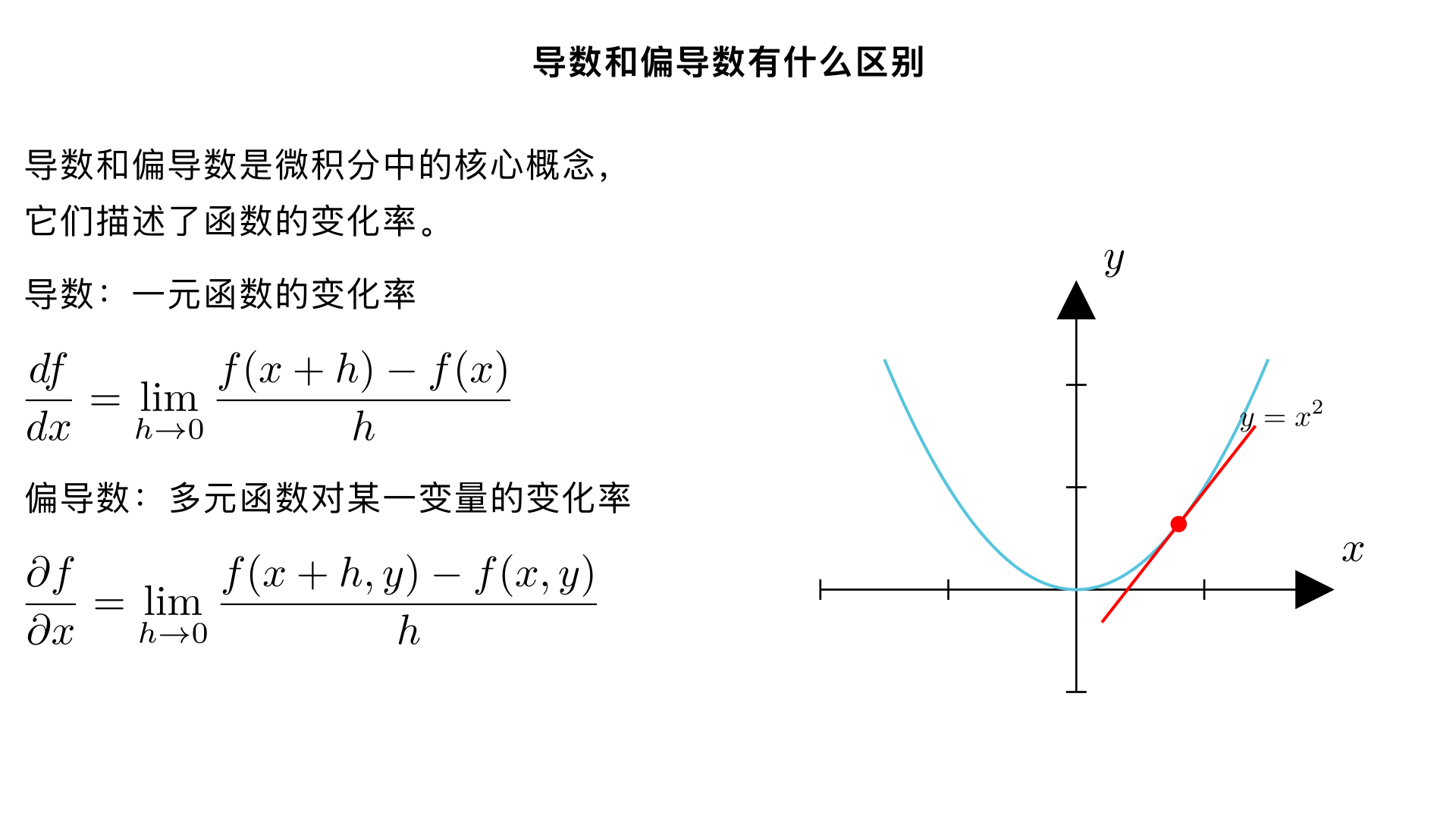
导数和偏导数有什么区别
▶
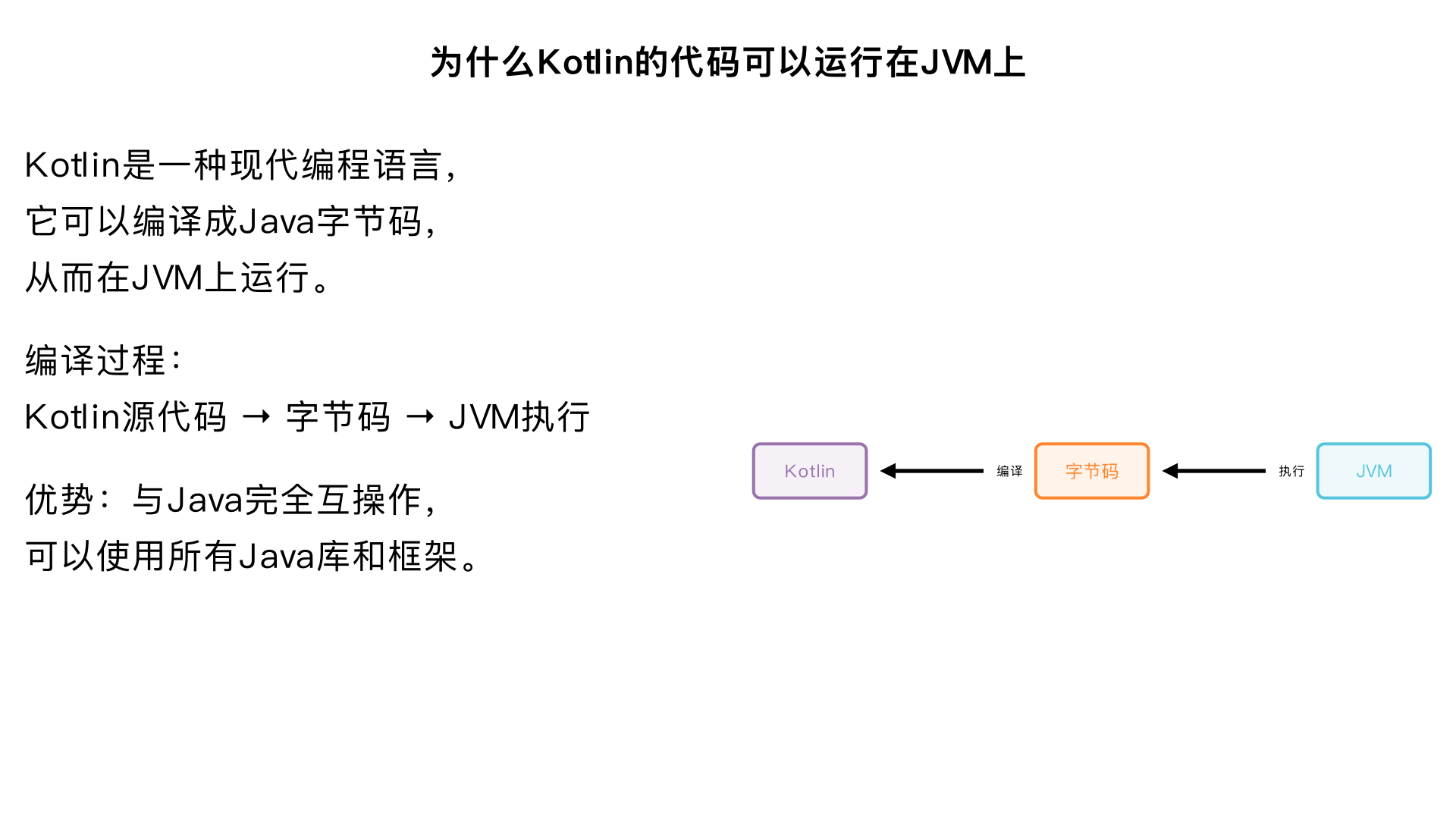
为什么Kotlin的代码可以运行在JVM上
▶
我知你心 (埃克曼的“面部表情”研究) 主要内容:通过对不同文化(包括与世隔绝的部落)人群的研究,发现对于某些基本情绪(如愤怒、厌恶、恐惧、快乐、悲伤、惊讶),其面部表情具有跨文化的一致性,支持了情绪表达的生物学基础。
▶